
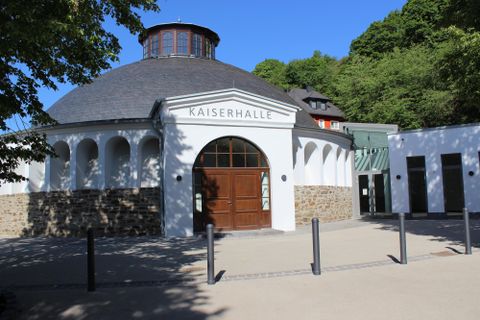
The special reason for building the Kaiserhalle in this form as a self-supporting domed hall was the need for the builder Wilhelm Bell to provide evidence that local building materials such as lime, lava sand and trass can also be used for extreme loads. At a time before the turn of the century, when cement had started its triumphal march and the mining of the tram in the Brohl valley continued to decline, such proof seemed necessary.
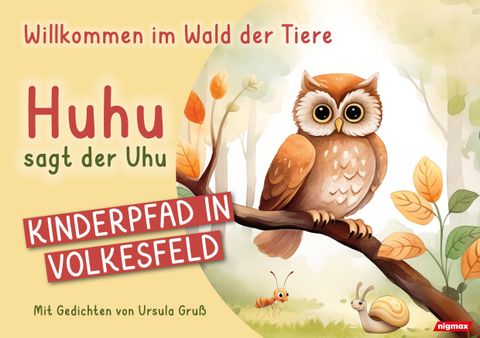
Children's Path "Animals of the Forest" on the Dream Path Heidehimmel VolkesfeldThe Children's Path "Animals of the Forest" invites young and old nature enthusiasts to a special walk through the forest along a section of the Dream Path Heidehimmel in Volkesfeld. On a 2.6-kilometer circular route, there are 20 lovingly designed panels introducing native forest inhabitants. Each animal is accompanied by a suitable poem that invites smiles, reflection, and participation. Thus, the Children's Path combines movement in the fresh air with language, imagination, and knowledge about nature.
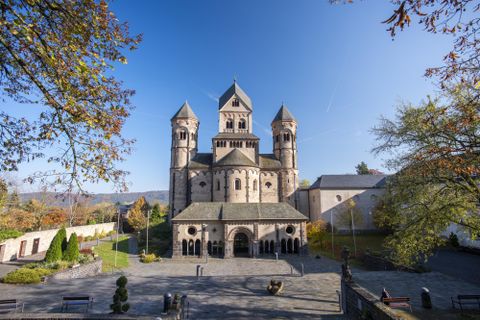
Let's go... The monastery rally starts at the tourist information office at the large car park at Lake Laach. Visitors young and old playfully discover interesting facts about Maria Laach Monastery. There will be puzzling, guessing, planning and improvising. In this way, children and adults learn a lot about Maria Laach Monastery.
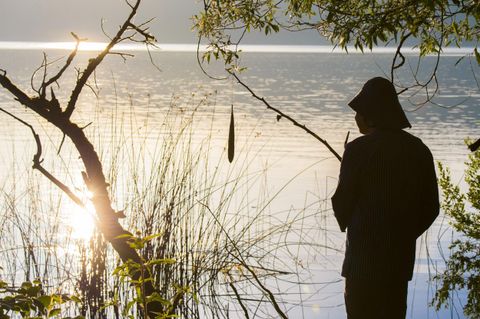
Further information is available from Mr. Hehenkamp on the telephone number: 0170 - 5275773
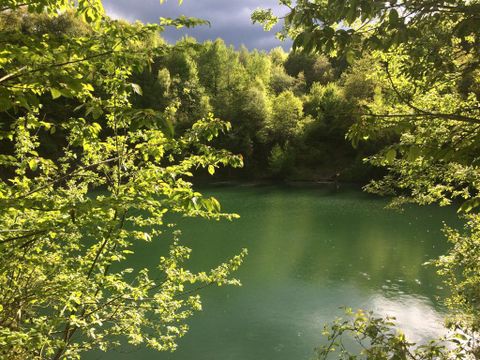
Basaltic lava quarry filled with groundwater, with a size of about one hectare and a water depth of up to 30 m.
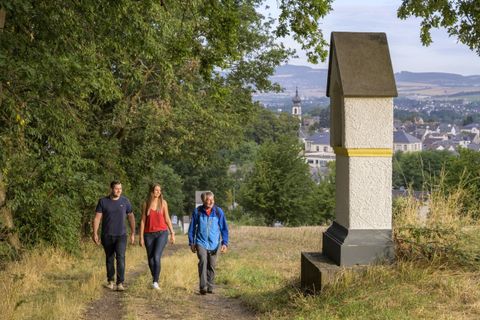
To this day, processions in the time of penance lead up the Kreuzberg, past the "Seven Sorrows of Mary".
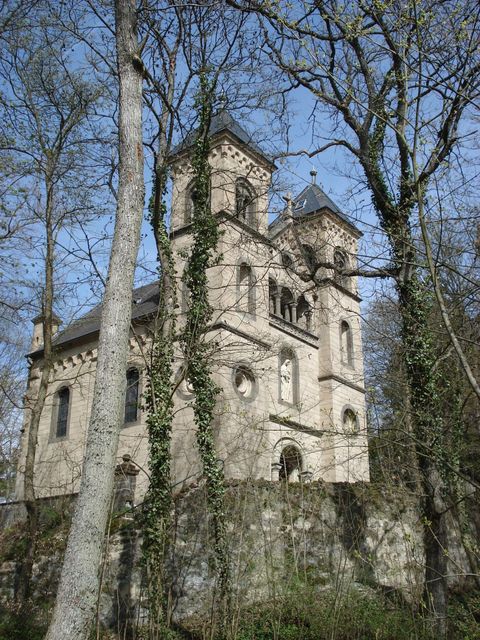
The Kreuzwäldchen is a peaceful and completely idyllic area. South-west of the village of Kempenich, on a small hill, stands the chapel of the "Our Lady of Sorrows", which was built in 1879 by the pastor Ferdinand von Freyhold.
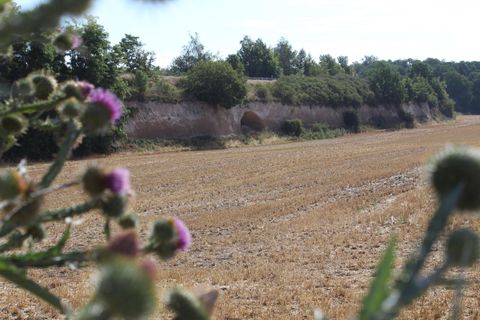
The Krufter Bachtal is one of the landscape monuments of the volcano park.
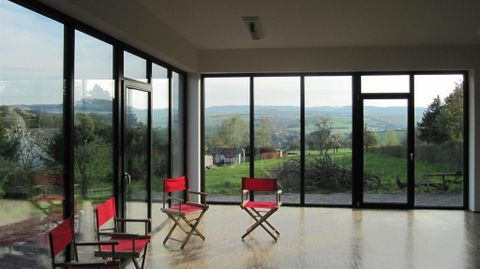
The art pavilion is a place where contemporary art concepts are developed and shown in rural areas.
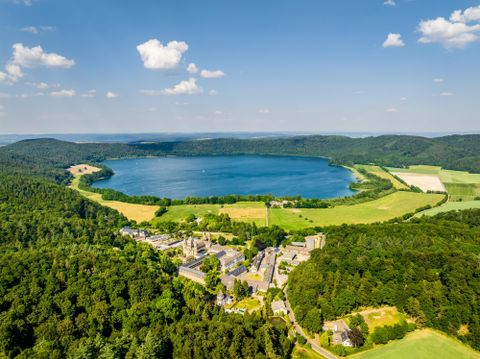
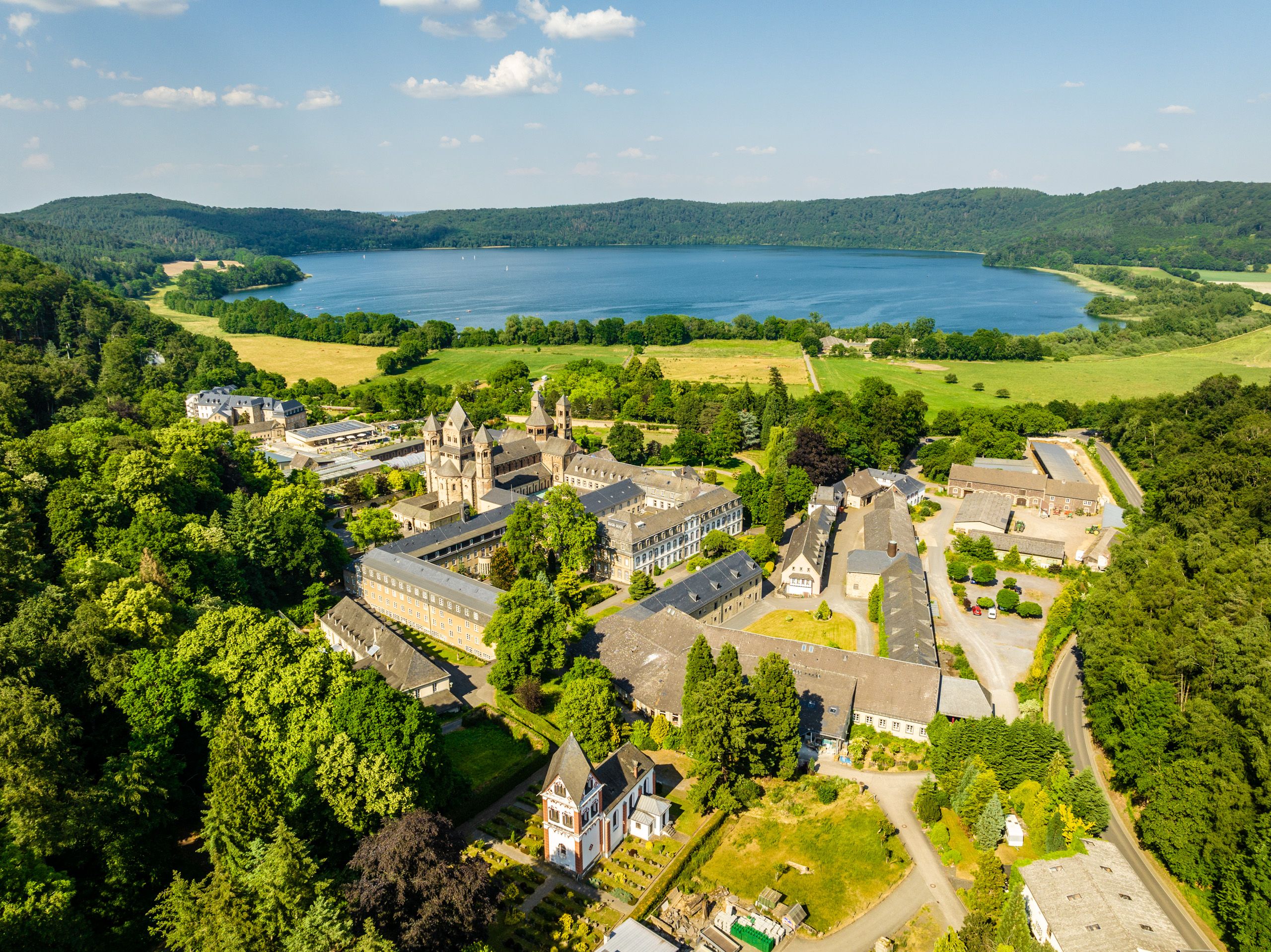
With around 3.3 km² and a depth of 53 m, Laacher See is the largest lake in Rhineland-Palatinate. The area around the lake has been a nature reserve for almost 80 years. The last eruption of the former “Laacher volcano” occurred around 10,930 BC. B.C., about 13,000 years ago. Traces of volcanic activity can still be found in the form of volcanic outgassing, the so-called mofettes, on the eastern shore of the lake. The total ejection quantity of the outbreak at that time was about 16 km³. The eruption was one and a half times as strong as that of Pinatubo in 1991, or 6 times as strong as the eruption of Mount St. Helens in 1980. Although Laacher See is widely regarded as the largest maar in the Vulkaneifel, it is scientifically not a maar and also not a real crater lake, but a water-filled caldera - a burglary crater that resulted from a collapse after the magma chamber was emptied below the volcanic cone. The volcanic mountain collapses and only the ring bead on the outer edge remains. Over time, the remaining boiler fills up with water. The Laacher See is in the Eifel, next to the neighboring Wehrer Kessel, the largest caldera and the only water-filled one in Central Europe.