
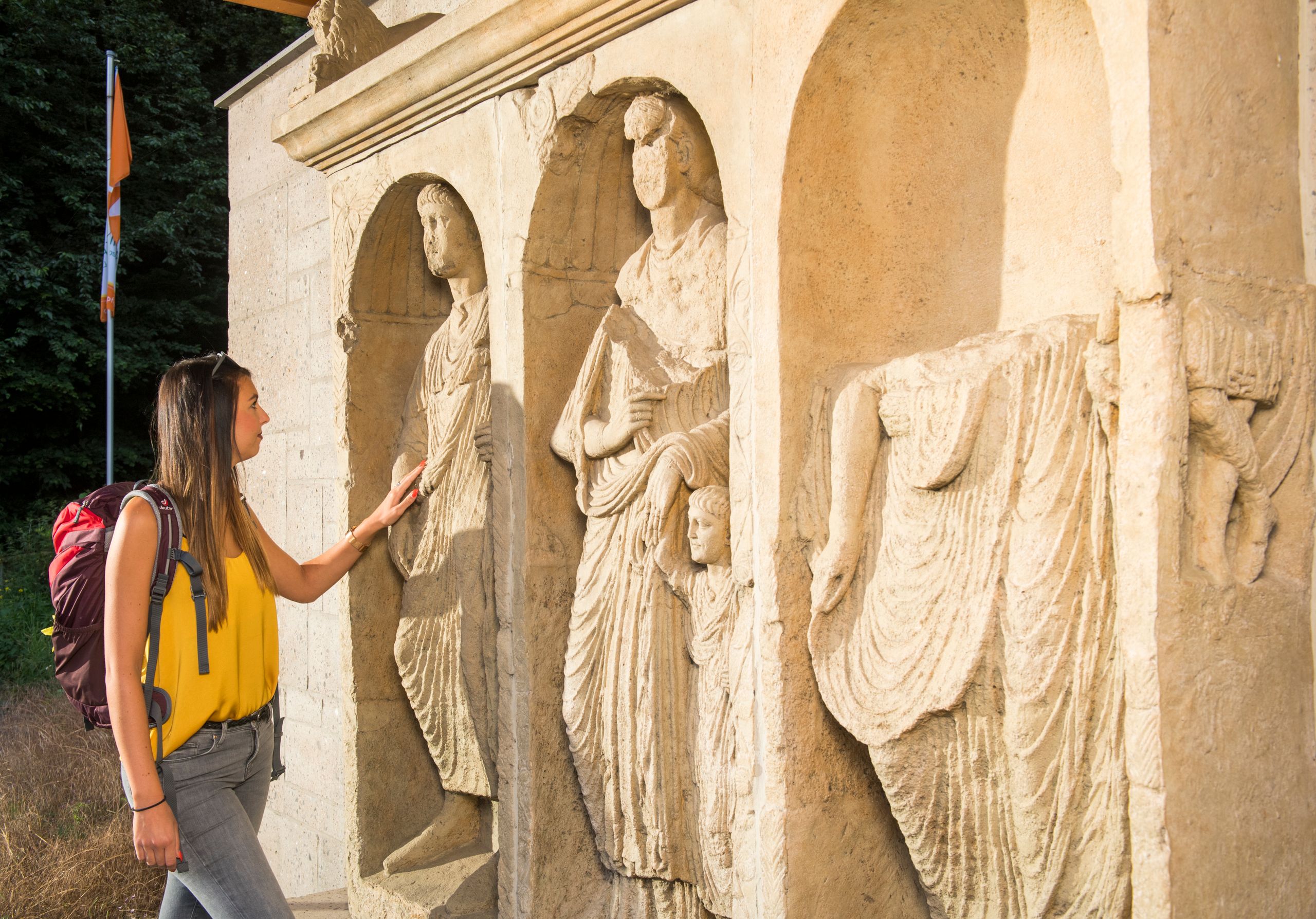
In the Laacher See volcanic region, visitors will find impressive natural landmarks that bring the region’s geological past to life. From massive basalt formations and historic quarries to cultural and historical evidence of lava mining, these natural, cultural, and industrial landmarks tell the fascinating story of volcanism and its significance for people and the landscape.
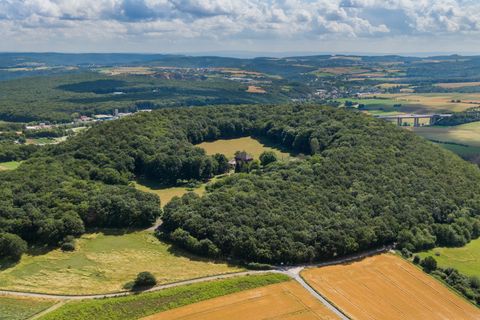
The Bausenberg is still the best preserved horseshoe crater in the Eifel!There is a wide variety of different types of biotopes on the crater and its wall. The Niederzissen local mountain offers well over 500 plant species and an animal world with more than 5,000 different species that are protected by nature.
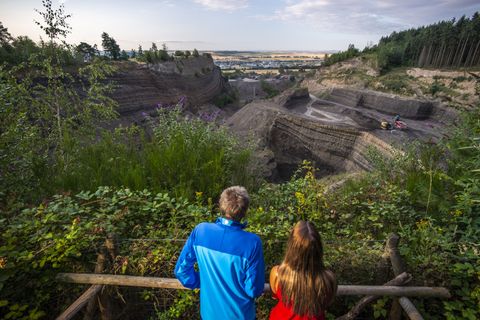
The Eppelsberg offers a unique window into the volcanic history of the Eastern Eifel as well as deep insights into the structure of a cinder block gel volcano.
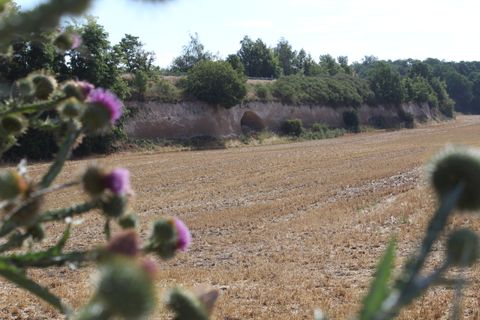
The Krufter Bachtal is one of the landscape monuments of the volcano park.
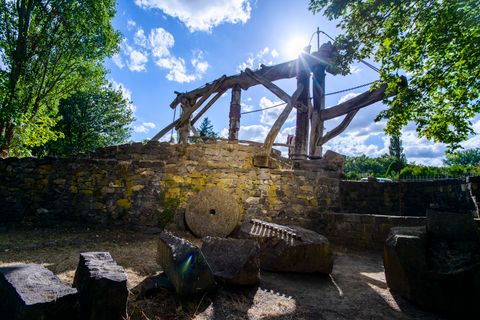
The Museumslay is an open-air museum as a permanent exhibition with various testimonies of the hard work of the grandfathers on the former mine site.
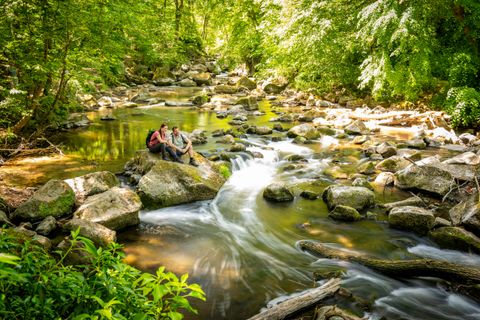
The landscape of the Rauscherpark is a particularly attractive section of the Nettetal. The water rushes over mighty basalt blocks in cascades over the only natural waterfall of the Nette.
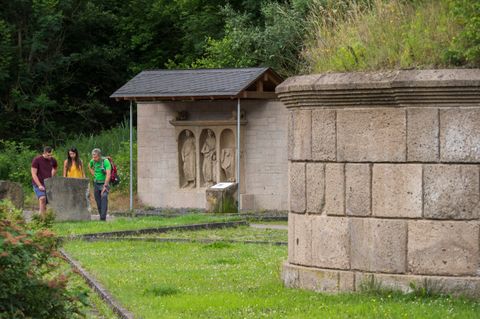
These are monuments to Roman Celts. Or Celtic Romans? They lived in the premodern industrial area of the East Eifel.
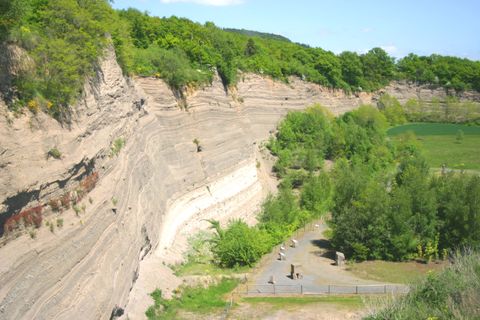
Ground outcrops at the Wingertsbergwand near Mendig allow scientists to explain the history of the Laacher See eruption by comparing them with currently active volcanoes.