
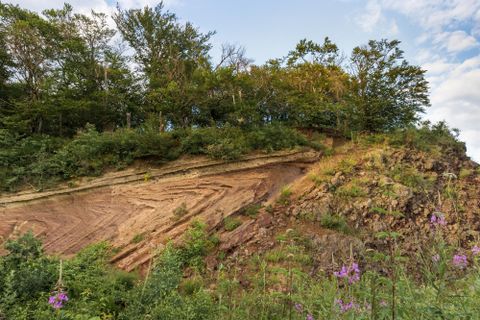
The mining of volcanic material on the Dachsbusch ate deeper and deeper into the old cinder cone. It gives us an insight into the volcanic and climatic history. The volcanic layers show how they slipped during a cold period about 150,000 years ago due to the alternation of thawing and freezing. The badger bush does not need to fear further depletion, as the area is now a nature reserve. Follow the signposted path to the right up to the gliding fold, where you will find more information.
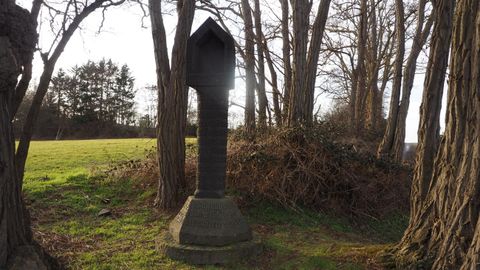
The Golokreuz is an impressive testimony to the centuries-long tradition of pilgrimage to the Fraukirch.
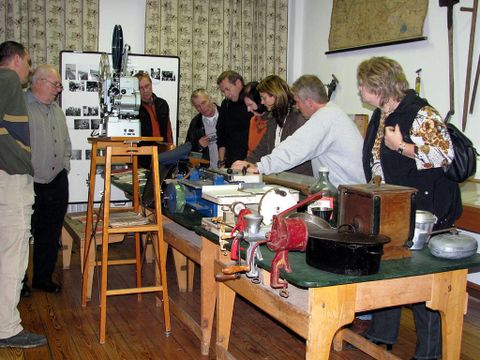
In September 2007 the Heimatverein Oberzissen set up a museum in the premises of the old school.Local history comes alive with many historical exhibits, but also finds from the near past.
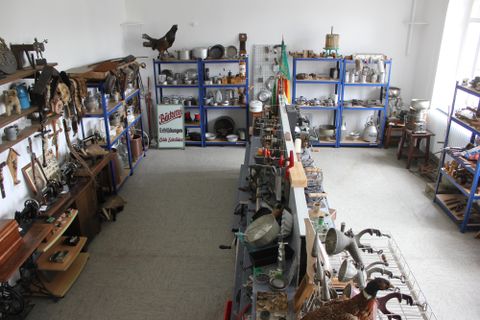
The cultural and local history association operates its local history museum, in which numerous private collections are bundled and agricultural equipment is also saved from oblivion, at two locations.
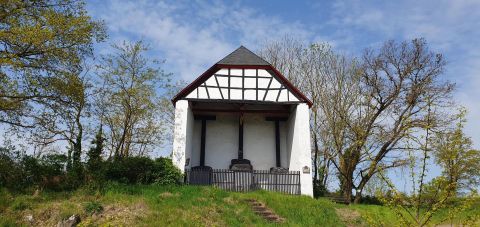
The Hochkreuz is located on the lava flow between Thür and Mendig.From here you can see far into the Pellenz. The high cross represents a covered crucifixion group.
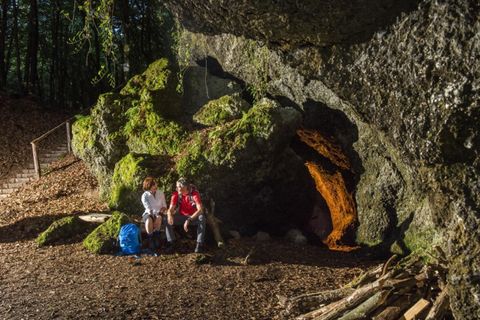
The 563m high mountain makes the heart of every nature lover beat faster. Below the summit you can find the legendary Genoveva Cave.
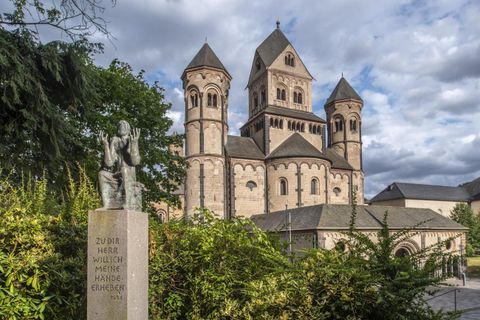
Temporary exhibitions Further information:Tel. 02652-59350 infohalle@maria-laach.de
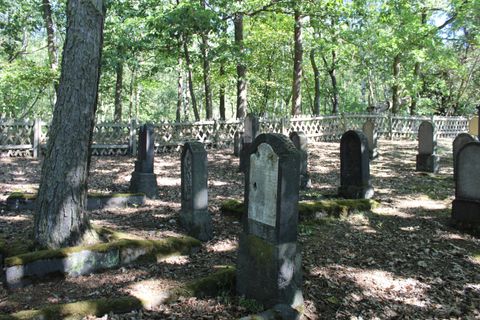
The Nickenich Jewish cemetery is a protected cultural monument.It was laid out in the middle of the 19th century and served the Jews in Kruft and Nickenich as a burial place.
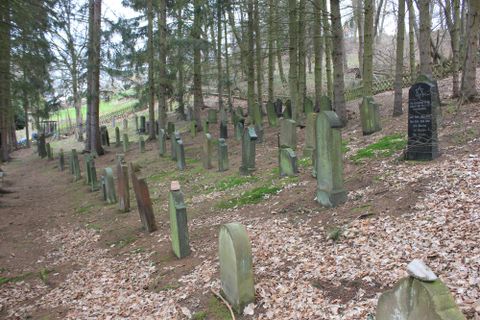
The 87 tombstones for 94 deceased face east, towards Jerusalem. Five tombstones were placed with their faces facing west. Two memorial stones for murdered family members also face westward. Samson Kahn's grave stele also has a memorial plaque. The Kahn couple's grave stele also had a memorial plate that fell out of the stone in the 1970s.
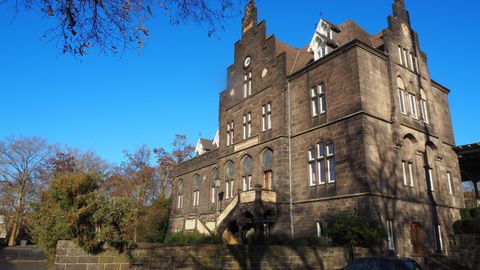
In 1877 the so-called Kaiserbahnhof was built in Mendig. It is considered to be one of the most beautiful historical buildings in the Mendig region. The building was named because Kaiser Wilhelm II is said to have used it as a starting point for visits to Eifel maneuvers.